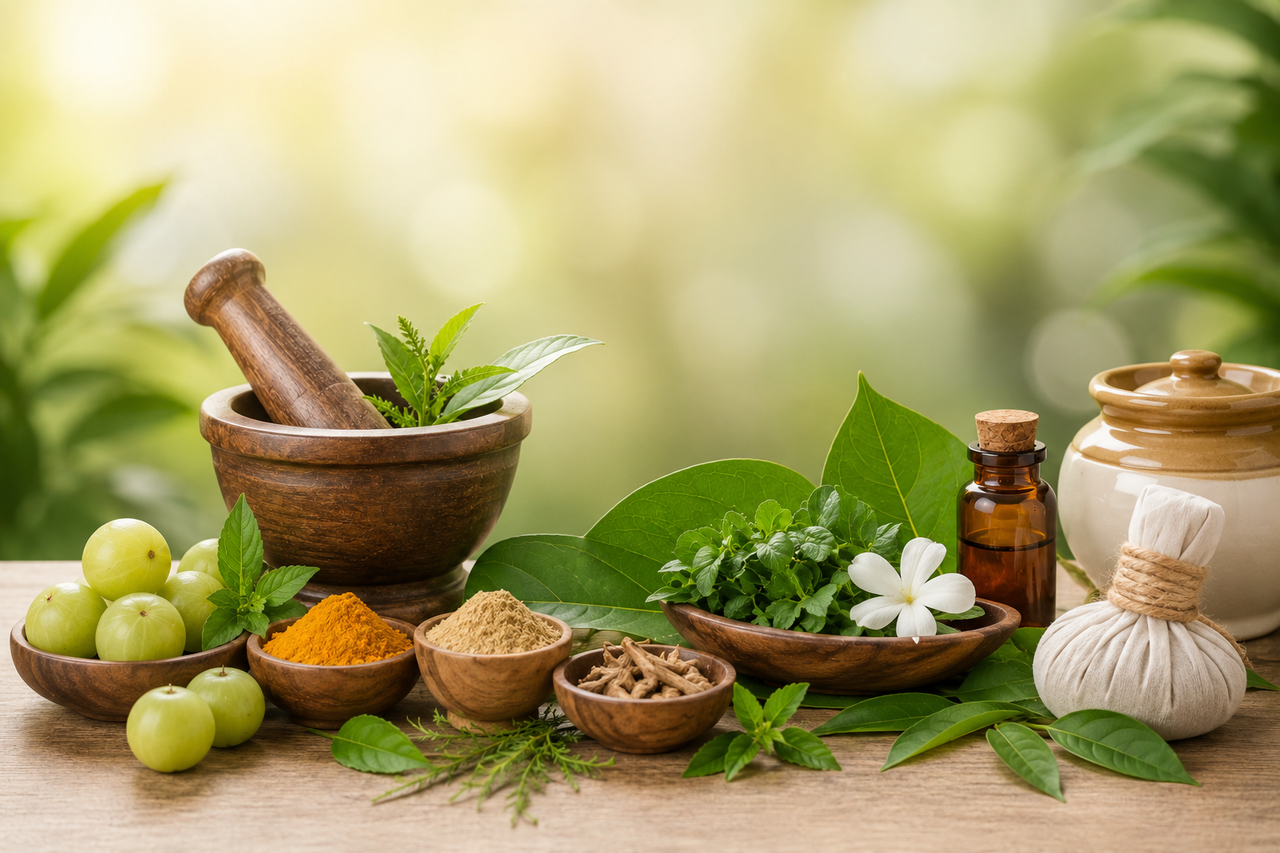
Challenges associated with bladder cancer and treatment can be frequent urge to urinate, burning sensation while urinating, and pain in the abdomen, impacting one’s sleep and lifestyle adversely. In this respect, Ayurveda offers a non-invasive herbal treatment method that can complement traditional medicine. Herbal treatments in Ayurveda are focused around maintaining normal body fluids, along with soothing actions, thus offering possibilities of leading a comfortable and easy life by nurturing the process rather than forcing it.
How do the principles of Ayurveda view bladder issues?
In order to understand how the principles of Ayurveda, we being one of the best bladder cancer treatment hospitals in hyderabad, will relate to the issue of the healthy functioning of the bladder, one should realize what the function of the organs located there is. Bladder is associated with the bodily functions of fluid regulation, cleansing, and flow. Illnesses and treatments may cause disruption in the process, resulting in irritation and disturbances. Therefore, the strategy applied includes warm and mild cleansing herbs.
What are some herb infusions which offer mild support every day?
Most people kick off their day with mildly boiled water containing coriander seeds. It is said that this drink has a cooling effect on the urinary tract. Mild tea made out of tulsi helps people feel less anxious since this herb offers relaxation owing to its calming scent. Drinking ginger and a small amount of turmeric in warm water after food is beneficial for relieving any sort of lower abdomen discomfort. This should be done with moderation and at various times of the day.
What are some herbs which can be made for the bladder?
Punarnava is one such herb which can be taken as a mild decoction. Gokshura, taken usually in the form of a tea or a powder dissolved in warm milk, helps the urinary function and the strengthening of the pelvic area. The varuna bark is also taken lightly and is appreciated for its property of keeping the flow comfortable. However, the use of these herbs is only a small part of a well-planned approach, which should be discussed with the Ayurvedic practitioners and the lead oncologists.
How may the use of herbal oils or the application help?
A combination of warm sesame oil with a few drops of relaxing herbs rubbed into the area of the lower back and abdominal region will definitely ease the tension and help relax. There are those who benefit from the steam sit bath with herbal oils applied externally into the area near the bladder. It will be very gentle and will occur anytime that your body prompts you to. It will integrate with your life and will help you have undisturbed sleep.
Why does the use of herbs and diet play a significant role?
Herbs require the use of warm and soft foods for proper digestion and assimilation. You should consider eating rice porridge with mung beans and gentle spices and topping it off with a bit of coriander. The consumption of pears and even baked apples can provide natural moisture for the bladder. Avoid very spicy, sour, or cold foods to avoid further irritations in your urinary tract. With such a harmony of herbal and dietary approaches, your body will have continuous assistance without strain or any additional stress.
Can herbal programs bring a certain balance to one's emotions?
Urinary issues and constant discomfort may affect one's mental state. Ayurveda also suggests including meditation with the herbs since consuming a warm herb mixture in the presence of your concentration on slow breathing helps attain inner peace. Gently massaging your scalp with herbal oil mixed with cool liquid before bed time along with consuming mild herbs contributes to good sleep. Once the mind has calmed down, physical ailments become less troublesome and familial connections seem warmer.
How is it important to practice the use of herbs?
Everyone reacts differently when using any treatment, including those for cancer. Collaborating with an experienced Ayurveda healer is essential in making sure that herbs are used appropriately and that there will be no negative interaction between these herbs and other cancer therapies. Constant updates about this healing process with cancer care specialists ensure coordination. Small steps towards a more comfortable life every day are always better.
What is the general course of a day with such herbs?
A more peaceful morning could start with warm coriander water and stretching. In midday, an individual may have a ginger-turmeric beverage followed by warm food. In the evening, one could have some Punarnava or Gokshura tea as well as a warm oil massage. Such practices provide anchor points throughout the day, enabling someone to connect better with his or her body. Family members can also be involved by preparing drinks or drinking herbal tea together.
Finally, it is possible to see that Ayurvedic herbal approaches for bladder cancer are quiet yet powerful remedies that respect the difficulties but give comfort and balance. Through the use of herbs, warmth, and good combinations, a number of people experience significant benefits of such an approach in everyday practice. With proper medical help and professional guidance, one is able to achieve necessary comfort. Additional information can be found at http://www.punarjanayurveda.com.
REFERENCE LINKS:
https://pmc.ncbi.nlm.nih.gov/articles/PMC8120318/
https://www.mdpi.com/1999-4923/15/4/1117
https://pmc.ncbi.nlm.nih.gov/articles/PMC7312715/
https://cjs.sljol.info/articles/8086/files/submission/proof/8086-1-28785-1-10-20230109.pdf
https://www.cancerresearchuk.org/about-cancer/treatment/complementary-alternative-therapies/individual-therapies/ayurvedic-medicine
https://ascopost.com/issues/september-25-2025/ayurveda-in-cancer-care/